Your Accent Isn’t the Problem. Silence Is.
Most learners never speak because they’re afraid of sounding wrong. AI fixes that.
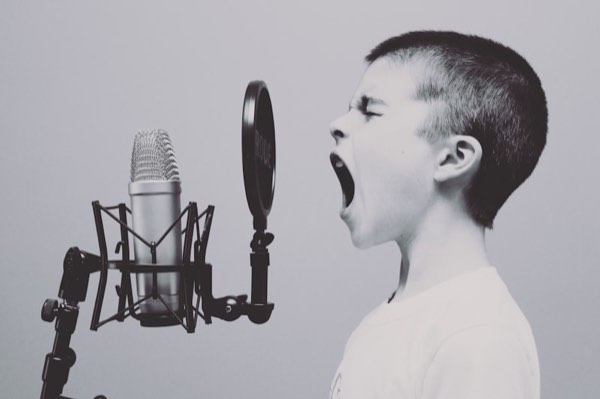
Ask any language teacher what holds students back, and you’ll hear the same answer: they won’t speak. Not because they can’t form sentences. Because they’re terrified of their accent.
This fear has a name. Linguists call it “foreign language anxiety,” and it affects an estimated 33% of all language learners, according to research by Horwitz, Horwitz, and Cope published in The Modern Language Journal.
“The single greatest predictor of oral proficiency is not aptitude or study time — it’s willingness to communicate.”
— Peter MacIntyre, Psychologist, Cape Breton University
The Feedback Loop That Actually Works
A 2024 study in Language Learning & Technology compared two groups of Mandarin learners: one practicing pronunciation with human instructors, the other with AI speech recognition systems. After 8 weeks, the AI group showed 23% greater improvement in tonal accuracy. Not because the AI was smarter. Because the AI group practiced 4x more often.
When you can say a word, get instant visual feedback on your pronunciation, see exactly where your stress pattern differs from a native speaker, and try again without anyone sighing — you practice more. Period.
The goal isn’t a perfect accent. Linguists have largely abandoned the “native speaker ideal” as both unrealistic and unnecessary. The goal is intelligibility: being understood. And intelligibility comes from practice, repetition, and feedback.
Speak more. Speak badly. Speak alone in your room at midnight. The research is unanimous: the only way through the accent barrier is through it.





28 languages and counting
Experience Voice Practice in LangFeed
16 tools in one app. Start for free today.